EMBASSY & DIPLOMATIC EVENTS | CAIRO
Dominican Republic Embassy: From Cocktail Reception to Seated Diplomatic Lunch
A Canada Day referral developed into a repeat embassy relationship: an 80-guest cocktail reception followed by a formal 16-guest seated lunch where protocol and table-service precision became the operating challenge.
- RELATIONSHIP: NOV 2025–APR 2026
- CLIENT: DOMINICAN REPUBLIC EMBASSY
- DELIVERED: 80-GUEST RECEPTION · 16-GUEST LUNCH
A diplomatic relationship that began at another embassy event
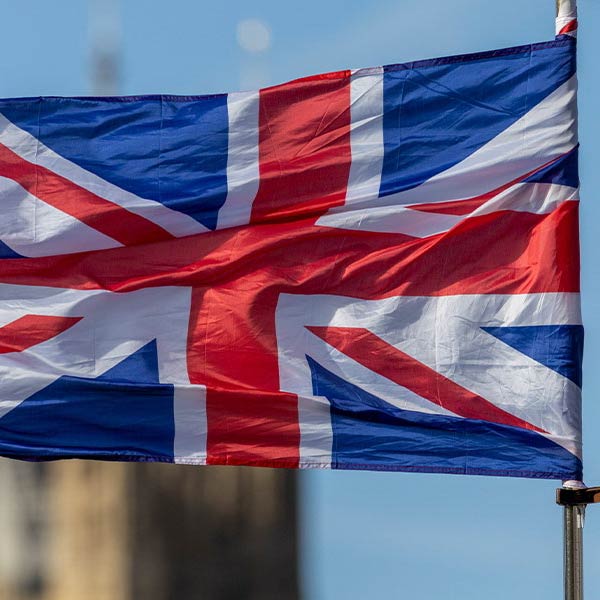
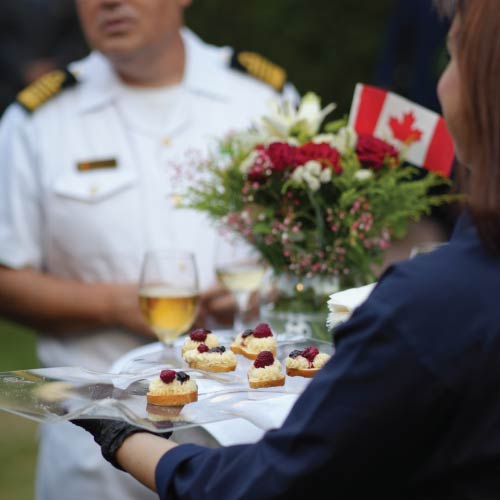
Representatives from the Dominican Republic Embassy first encountered LOriental at the Canadian Ambassador’s Residence during Canada Day in 2025. After seeing the food and service in operation, the Embassy contacted LOriental directly for its own hospitality.
That introduction developed into a repeat relationship spanning two very different briefs: an 80-guest cocktail reception and a formal 16-guest seated lunch at the Ambassador’s residence.
The first booking: an 80-guest cocktail reception
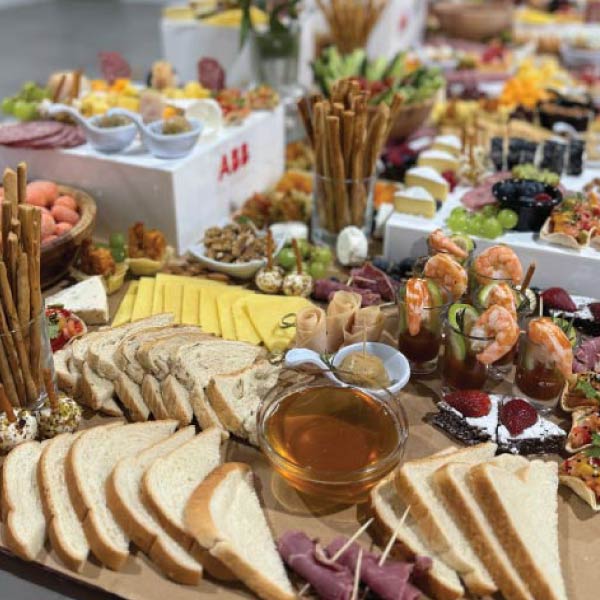
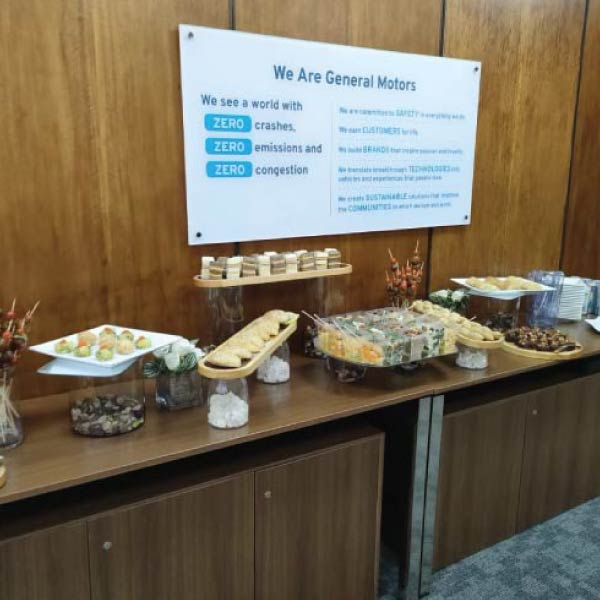
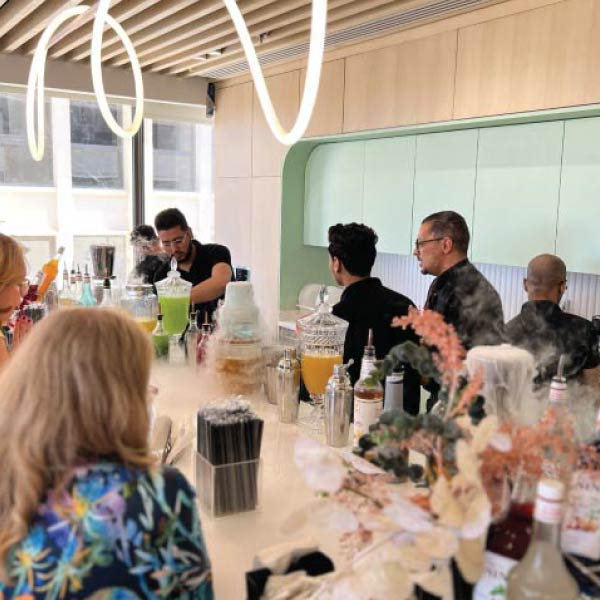
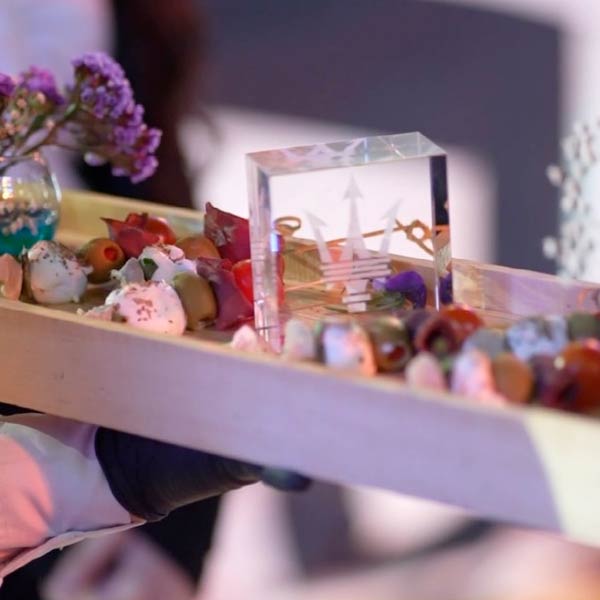
On 20 November 2025, LOriental catered a three-hour Apéro-style reception at the Dominican Ambassador’s residence. The format combined passed hors d’oeuvres, canapés, tapas-style starters, sweet bites and classic hot and cold drinks, with high tables and centerpieces supporting the standing layout.
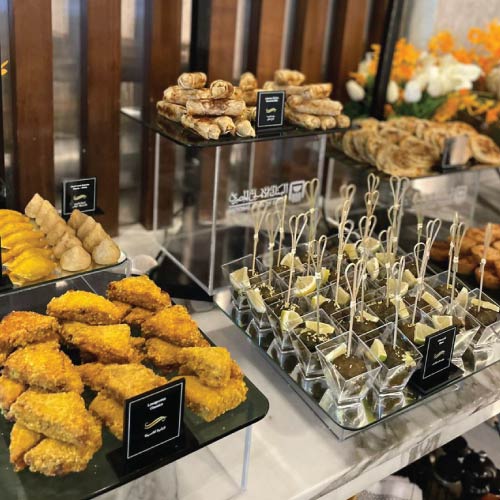
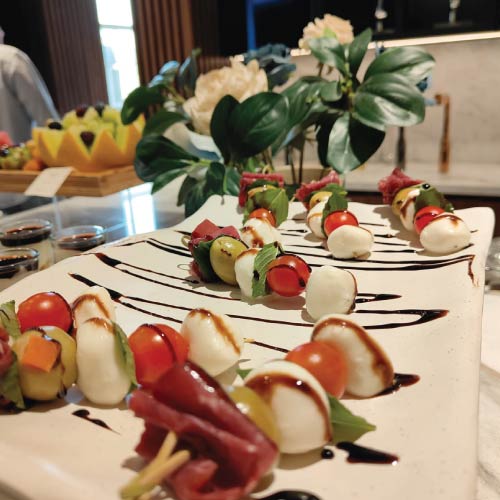
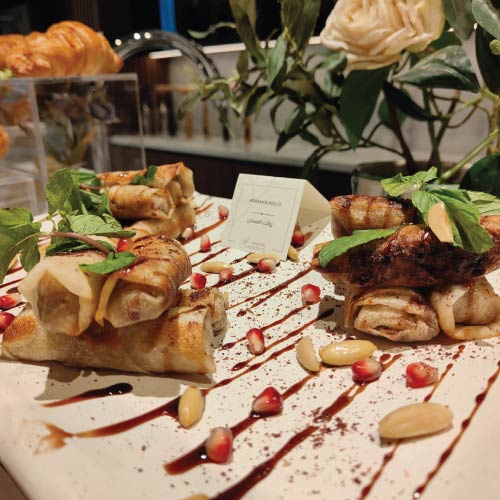
The proposal included selections such as beetroot salmon gravlax, smoked salmon and caviar crêpe roulade, cranberry-pecan goat cheese truffles, tempura shrimp tacos, Korean bulgogi beef skewers, truffle lobster arancini and vanilla-and-berry pavlovas.
The relationship then moved to formal seated dining
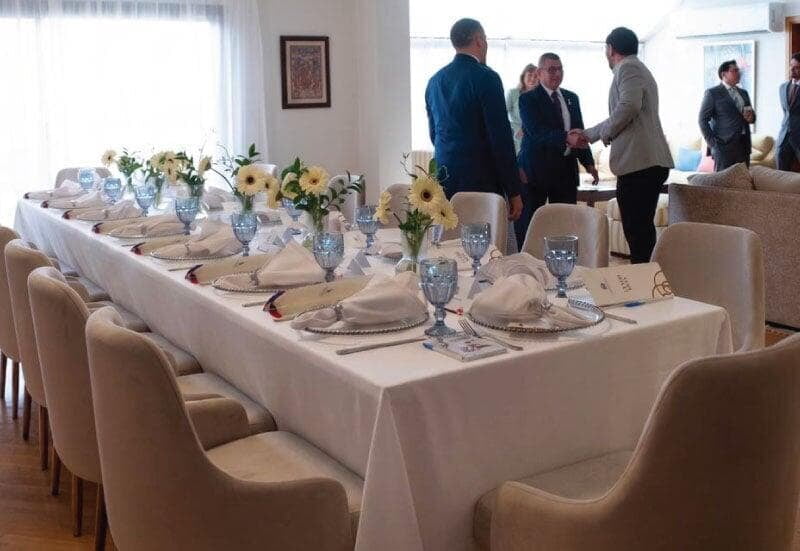
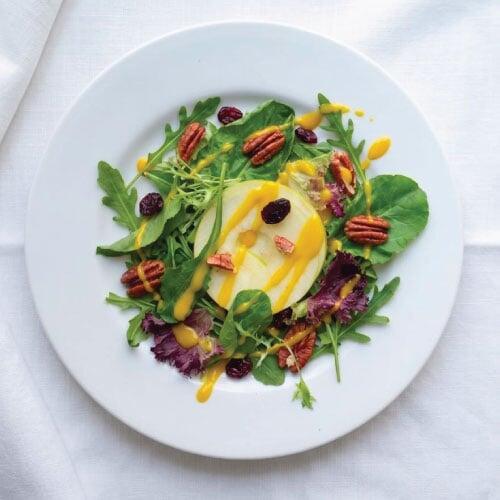
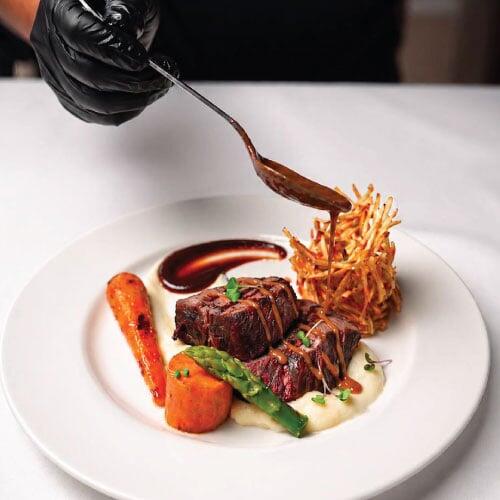
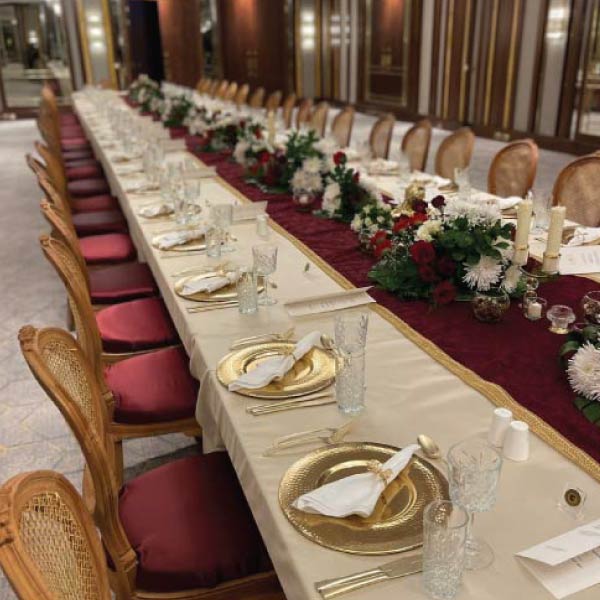
On 27 April 2026, LOriental returned to the Ambassador’s residence in Maadi for an intimate diplomatic lunch for 16 guests. The format shifted completely: a five-course seated experience with arrival pass-arounds, table-side drinks and a formal table setup.
The setup included guest chairs, tablecloths, floral centerpiece arrangements, charger plates, napkin rings, premium cutlery and glassware, and printed custom menus. At this scale, the challenge was not production volume. It was precision.
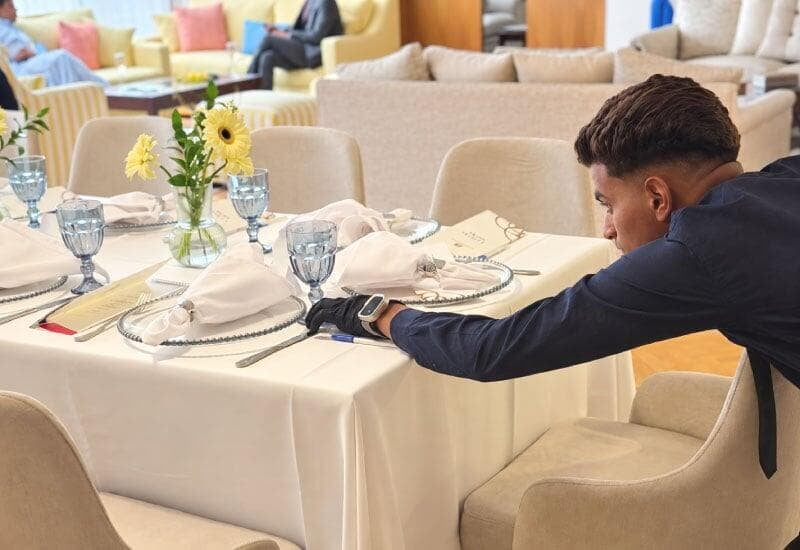
The table itself became part of the production plan
Formal diplomatic service required exact place settings, the correct sequence and use of cutlery and glassware, discreet waiter movement, synchronized serving and clearing, and a rhythm that did not interrupt conversation.
Each setting therefore had to be correct before guests arrived, and the service team had to move through every course consistently. The operation was closer to restaurant-style hosted dining than to a conventional reception.
Arrival bites and a personal dessert finish
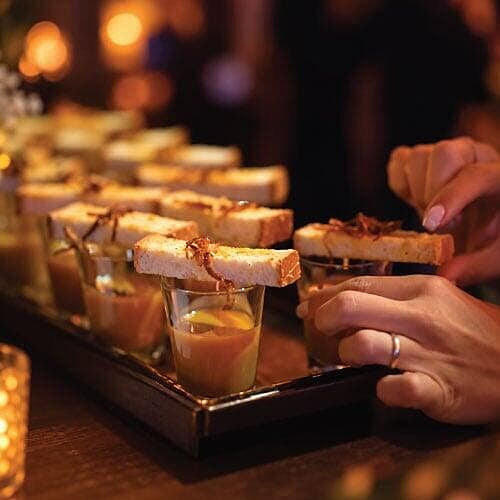
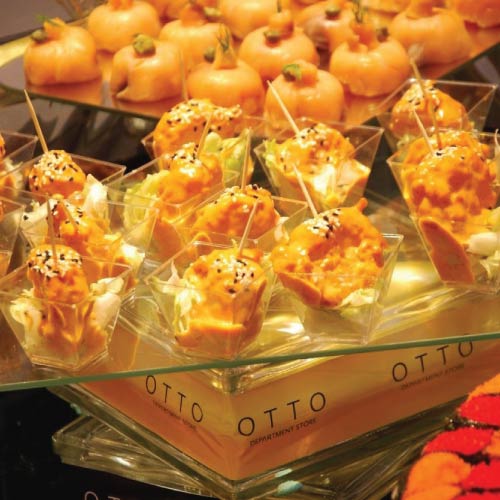
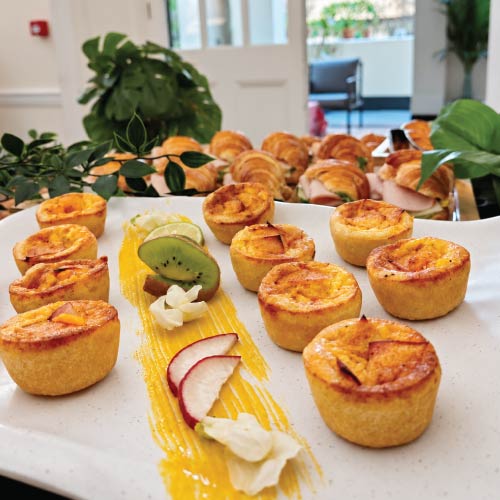
Arrival pass-arounds included smoked salmon mini domes, konafa shrimp cups, cranberry-pecan goat cheese truffles, and truffled mushroom tartlets with Gruyère and thyme. The seated lunch continued as a five-course format with table-side classic drinks.
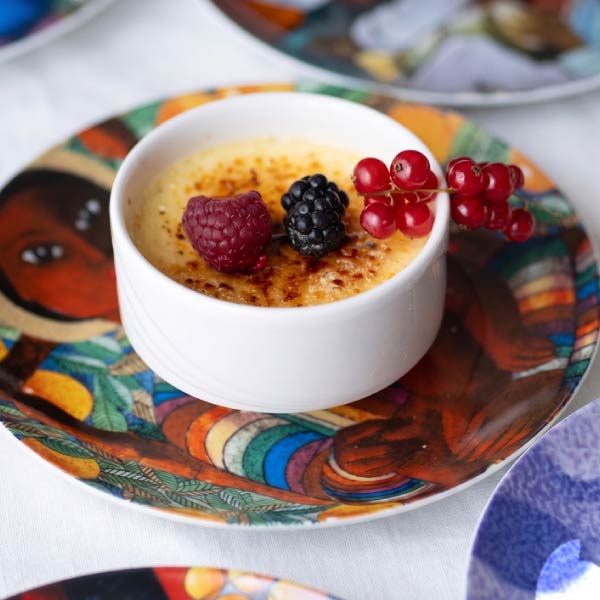
The dessert detail is unusually personal: vanilla crème brûlée was served on the Ambassador’s own Dominican-coloured plates. It gave the final course a visual connection to the host and residence while preserving the formality of the table.
What the relationship proves
Across the two delivered formats, the operating demands changed completely. The first required fluid pass-around service for 80 guests; the second required strict control at a 16-place diplomatic table.
The April lunch shows why a small diplomatic event can still be operationally demanding. Protocol, place-setting discipline and discreet service mattered more than scale.