Practical Guide to Planning an Event at the Cairo Citadel

Between venue selection, permits, access, setup windows, service routes, power, production and catering logistics, there are a lot of moving parts. If you would rather not manage all of that yourself, LOriental can handle the full process for you.
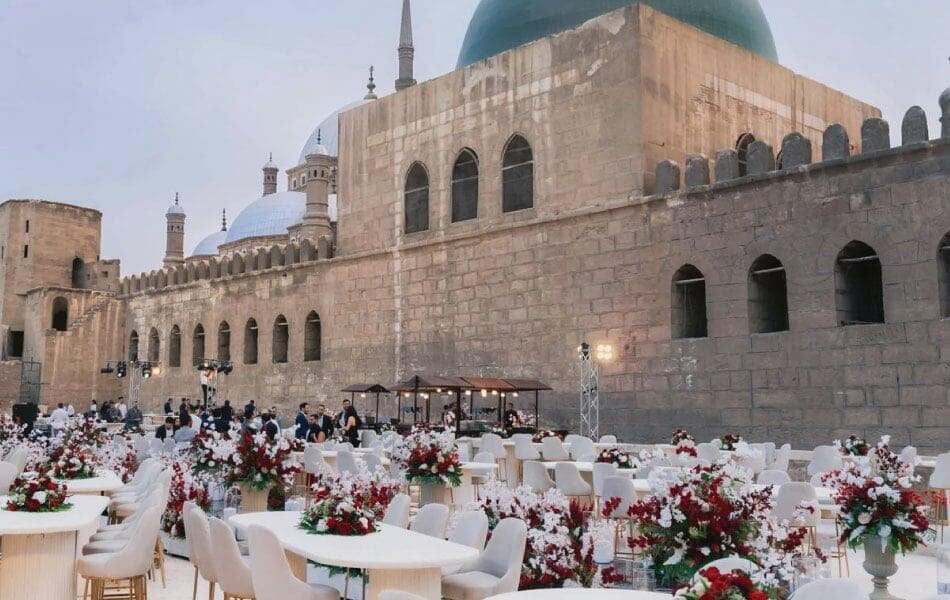
Bir Youssef mini wedding tables and seating layout

Choose the venue around the event you actually want

The Citadel does not have one “best” event space. Mohamed Ali wins on iconography but demands the hardest service operation. Dar Darb makes catering easier and suits corporate launches. Bir Youssef gives you access separation and a long bridal aisle. Sareyet el Gabal can host the ceremony inside the mosque but separates food and beverage from the ceremony space. Police Museum and El-Mahka are designed for scale.

Explore all Citadel spaces

Build the staff access file early
For Citadel events, the event planner/event manager submits worker information to the Tourism Police in advance. We plan this at least three days before the event and include full names, ID information and ID images for every worker expected to enter.

The practical lesson is simple: include backups. If someone becomes unavailable on event day, an uncleared replacement may not be able to enter.
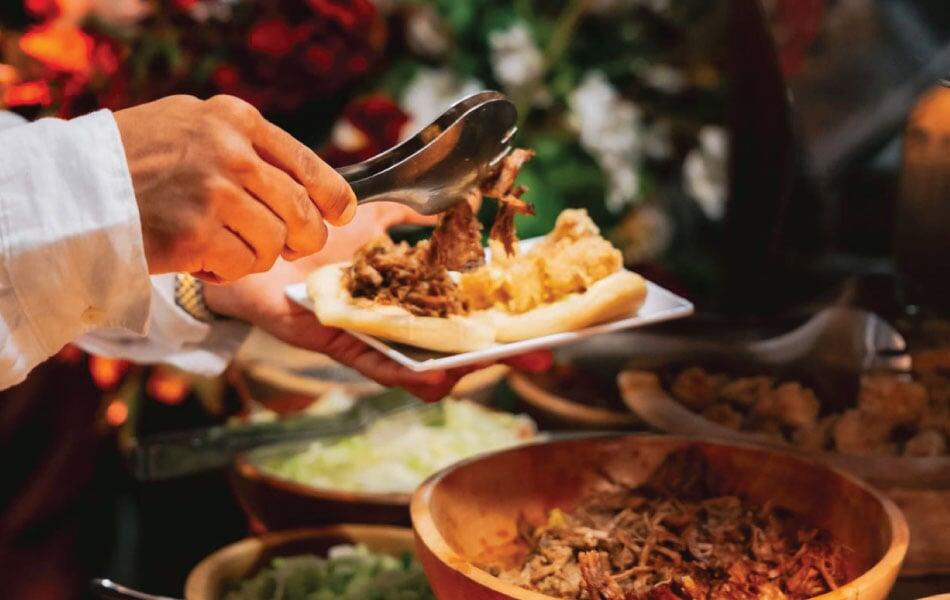
Guest at Bao Bun live experience station at a Bir Youssef event
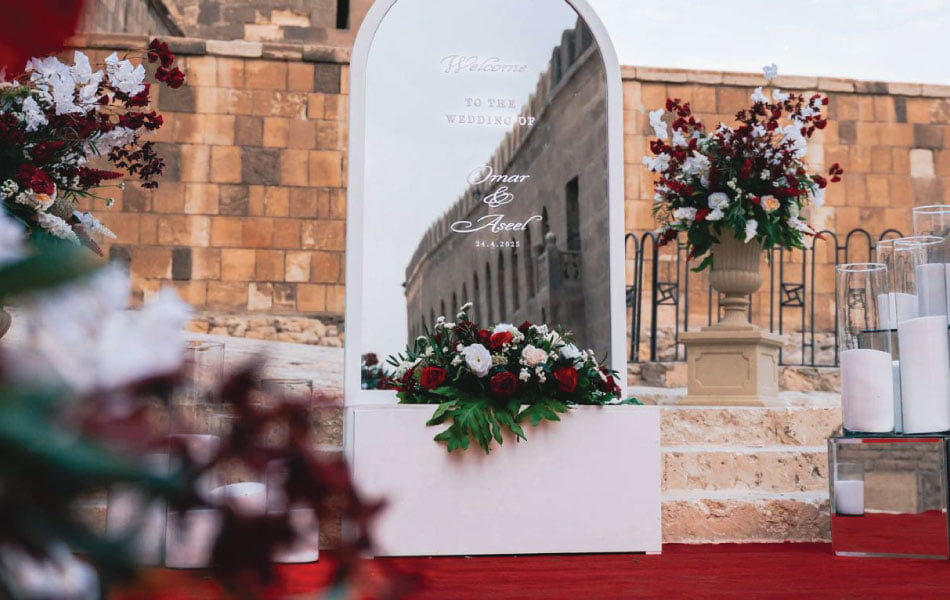
Mirror welcome sign at Bir Youssef event by LOriental

Treat noon-to-5 PM as a working site, not an empty venue

The Citadel remains a tourist attraction until around 5:00 PM. Event teams may begin entering from around midday, but setup often happens around visitors. Mohamed Ali is especially difficult because it carries the heaviest tourist traffic.

Plan setup in layers. Large infrastructure, stage and seating may have to go in while public movement continues. Final guest-facing dressing, food staging and sensitive equipment should be timed around the moment the venue begins to clear.

No fire: know your electrical load
Open flame is not allowed. Catering therefore depends on electrical equipment, and the generator request has to reflect the real load. Fryers, grills, warmers, refrigeration and beverage equipment can draw significant power.

LOriental’s operating rule is to keep catering power separate from the event’s lighting and production supply whenever powered food equipment is involved. A catering-side breaker trip should not black out the wedding.
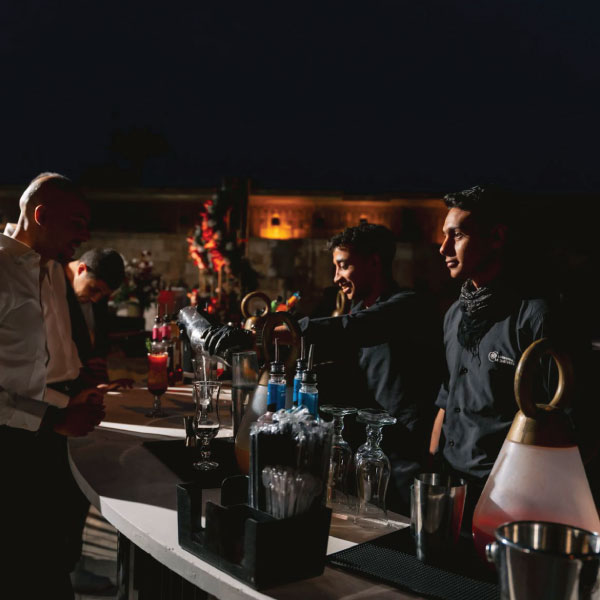
LOriental baristas at event
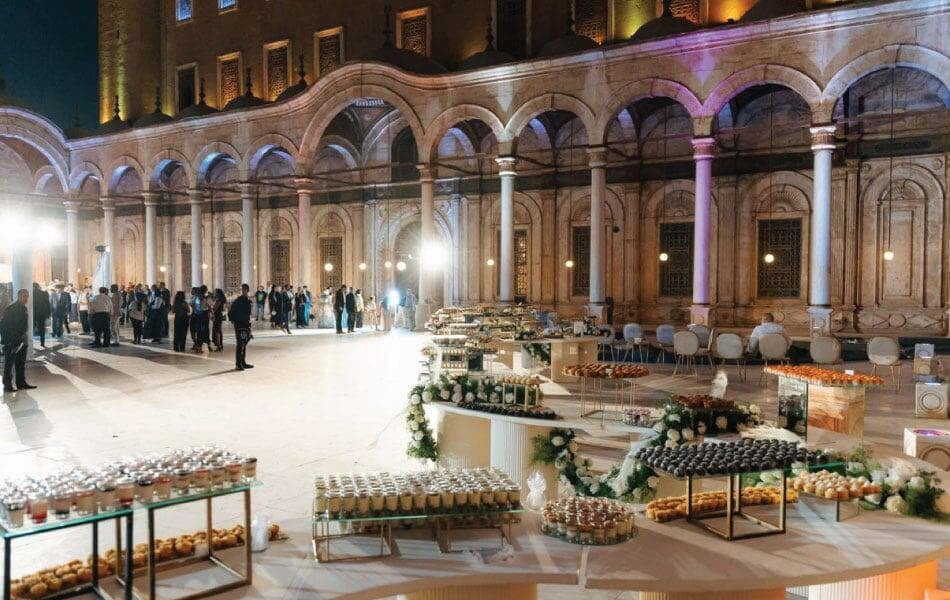
finger food buffet display at Police Museum Plaza
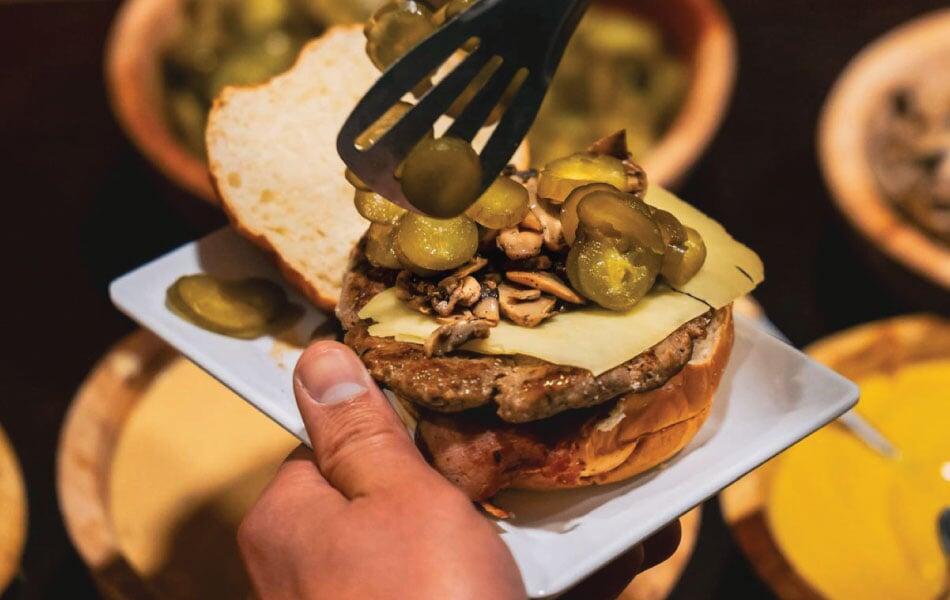
Weding guest adding burger toppings
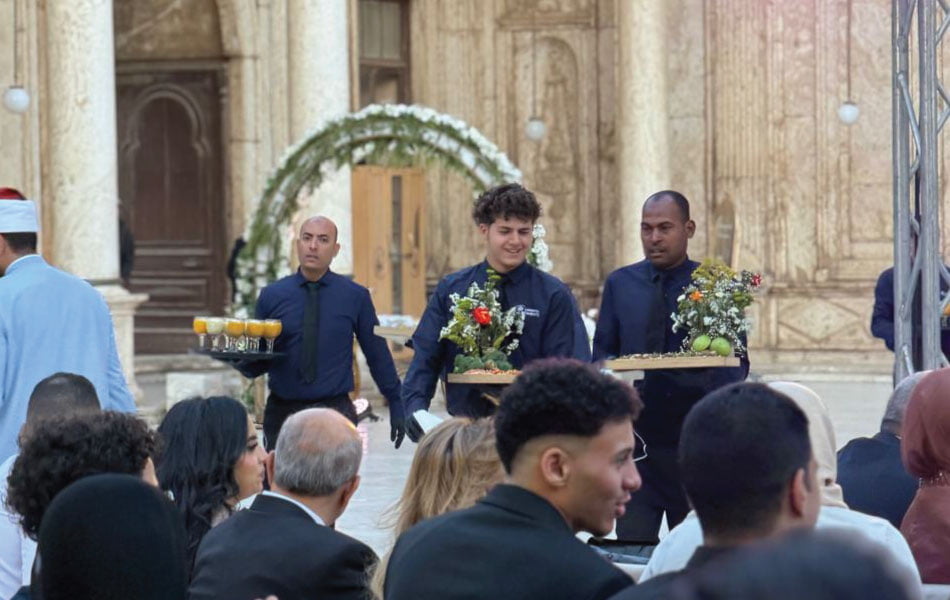
LOriental waiters serving experiential passarounds at Mohamed Ali Mosque
serpentine finger food buffet display at Mohamed Ali Mosque Court

Design food around the route

At Mohamed Ali Mosque, food may travel from an external catering tent to the venue entrance and then across the courtyard before it reaches the buffet or bar area. That is a completely different service journey from Dar Darb, where indoor back-of-house space shortens replenishment.

The menu should be judged against that route. Food that only works when plated seconds before service is a poor choice if the venue requires a long tray journey.

Plan for the wind at Mohamed Ali

The elevated courtyard and architecture can create strong wind tunnels. Planners should avoid lightweight décor, signage and table elements unless they are properly weighted. Catering presentation pieces and any exposed service elements need the same discipline.

Use venue geometry rather than fighting it

Bir Youssef is the clearest example. Its long narrow shape, two levels and continuous step line can make a generic floor plan fail. The same geometry can become a strength when it is used to create a long bridal aisle and intentional zones.

Protect guest-facing back-of-house areas

At Sareyet el Gabal, the catering back area sits close to guest and bridal arrival. That means service discipline is visible. Stock, waste, crates and staff holding cannot spill into the arrival experience.

Current Citadel operating snapshot

FormatDurationTypical startCapacity examplesKey restrictions
Katb Ketab 3 hours 5 or 6 PM Dar Darb 300; Bir Youssef 300; Mohamed Ali 300 No dancing/zaffa; no alcohol; same-day setup
 Small wedding 4 hours 5, 6 or 7 PM Dar Darb 300; Bir Youssef 300 Entertainment permits; no alcohol; same-day setup
 Full wedding/event 6 hours 5 or 6 PM Dar Darb 300; Bir Youssef 500; Police Museum 700; El-Mahka 900 Entertainment permits; no alcohol; setup subject to current rules

Venue conditions, capacities, access rules and permit requirements can change. Confirm the current position with the responsible authority for the event date before contracting.

Before you lock the catering plan

  1. Confirm the exact Citadel space and booking format.
  2. Confirm the current capacity, duration and entertainment rules.
  3. Submit the staff access file and pre-clear backup workers.
  4. Map guest, bridal, production and service entrances.
  5. Confirm where the catering back area is legally allowed to sit.
  6. Calculate the real electrical load and request the correct generator.
  7. Keep catering power separate from lighting/production wherever possible.
  8. Walk the replenishment route before finalising the menu.
  9. Check wind exposure and secure lightweight décor or presentation pieces.
  10. Build the setup sequence around active tourist hours.
  11. Confirm ceremony-to-reception timing, especially for Katb Ketab.
  12. Reconfirm all venue conditions close to the event date.
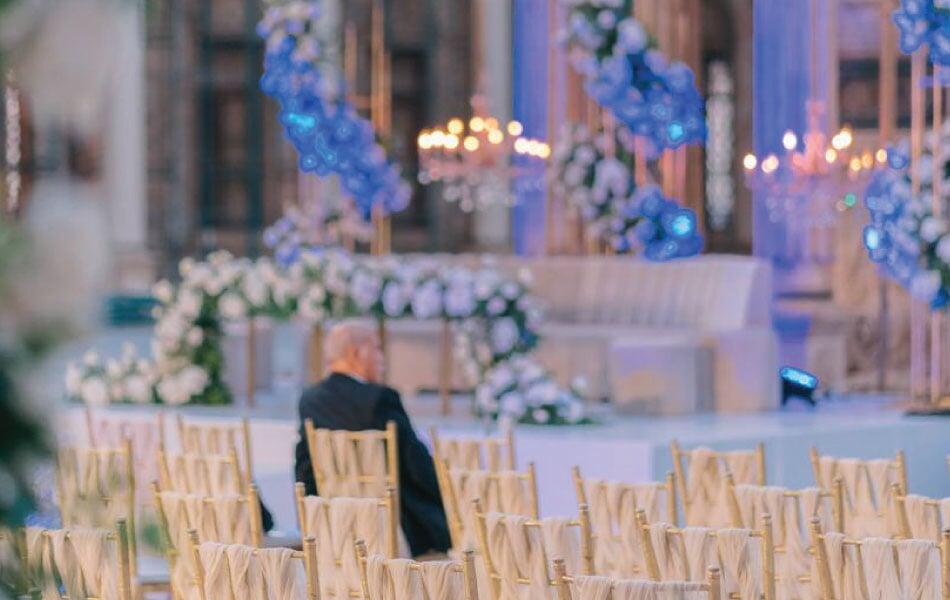
Seating layout at Mohamed Ali Mosque Katb Ketab

Explore Other Historical Venues
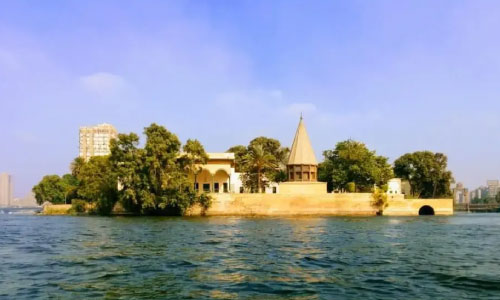
Mohamed Ali Palace, Manial
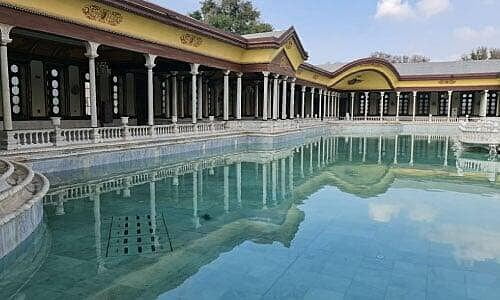
Manasterly Palace
Muhammad Ali Palace, Shubra
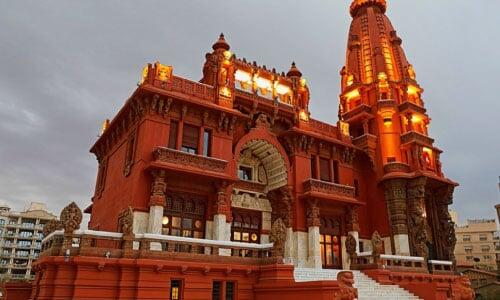
Baron Empain Palace
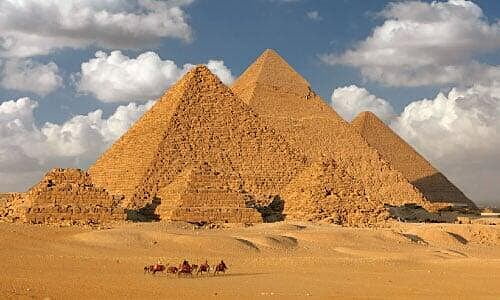
Pyramids of Giza
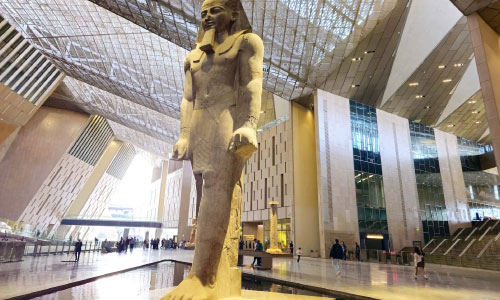
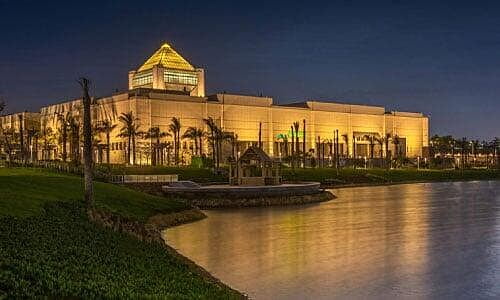
Grand Egyptian Museum (GEM)
NMEC
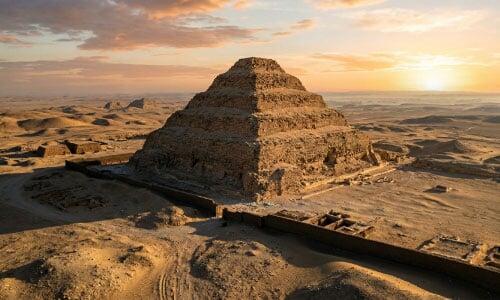
Saqqara Pyramid
Items have been added to cart.
One or more items could not be added to cart due to certain restrictions.
Close
Added to cart
- There was an error adding to cart. Please try again.
Quantity updated
- An error occurred. Please try again later.
Deleted from cart
- Can't delete this product from the cart at the moment. Please try again later.