
Diplomatic proof in brief
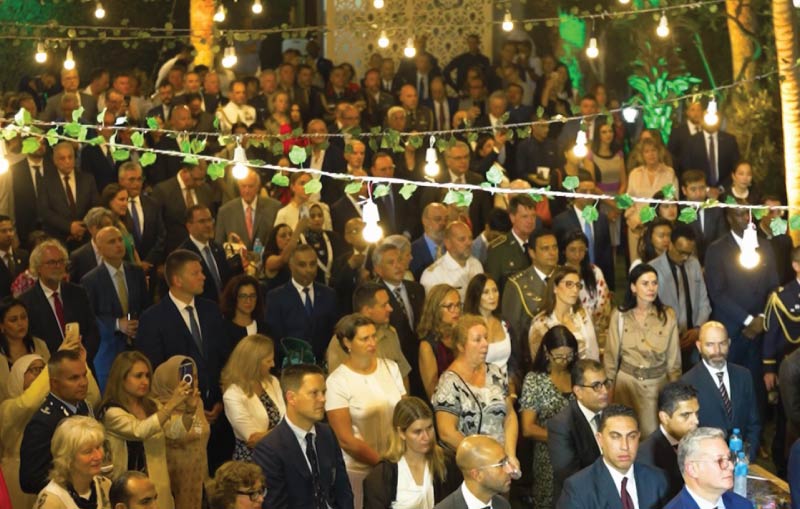
Canadian Embassy: two consecutive Canada Day receptions for approximately 500 guests each at the Ambassador’s Residence, with Canadian-inspired menus, live poutine and full non-alcoholic beverage service.
Australian Embassy: an approximately 300-guest national-day stand-up lunch with Australian lamb, live grill and pasta stations, a purpose-built mobile kitchen, and at least five further embassy engagements after the event.
New Zealand Embassy: three different assignments at the Ambassador’s residence within 17 days — a 90-guest ANZAC Day breakfast, a 15-guest diplomatic lunch and a 40-guest evening reception.
Dominican Republic Embassy: an 80-guest standing reception followed months later by a formal five-course lunch for 16 guests, where place-setting precision and discreet table service mattered more than scale.
German Embassy: an 80-guest transition reception with 960 food pieces, bespoke non-alcoholic beverage service, close resident-chef supervision and a venue-specific communications restriction.

Let the diplomatic occasion decide the format
A national day often needs continuous circulation, enough food density for a large invited audience and service that stays polished around speeches, introductions and conversation. A commemorative morning may need breakfast ready immediately after an early programme. An ambassadorial lunch can require the opposite rhythm: fewer guests, more formality and exact control over each place setting and course.
The five core catering formats can all have a role. Passed canapés work well when guests need to keep moving. An open buffet can support a substantial stand-up lunch. Seated dining suits formal hosted meals. Live culinary stations can carry a national or product story when they genuinely fit the occasion. A non-alcoholic beverage programme can run continuously across all of those formats.
Cultural references work best when they are specific
Diplomatic hospitality can reflect a country without turning the event into a theme. For Canada Day, the menu used recognisable Canadian references such as butter tarts, tourtière, maple-glazed chicken and live poutine. When the right cheese curds were not available locally, the Embassy helped solve the sourcing gap directly.
At the Australian national-day event, Australian lamb became the culinary anchor because one of the Embassy’s sponsors wanted the product showcased. Technical guidance from MasterChef Tarek Ibrahim, brand ambassador for Meat & Livestock Australia, informed how the lamb was handled while LOriental delivered the live-grill service.


Diplomatic trust can compound from one mission to another
Several of these relationships began because another mission saw LOriental working. The Australian Embassy appointed LOriental after Ambassador Axel Wabenhorst and his wife attended the Canadian Embassy’s Canada Day reception. The New Zealand Embassy then booked LOriental after seeing the Australian national-day service. Representatives from the Dominican Republic Embassy also first encountered LOriental at Canada Day.
The important evidence is what happened after the introductions. Canada selected LOriental for a second consecutive national-day reception. Australia returned for at least five additional engagements through June 2026. New Zealand used LOriental three times within 17 days. Repeat work across different diplomatic formats shows trust in the operating team, not simply approval of one menu.

Protocol matters when the event actually requires it
Not every diplomatic reception is a formal protocol meal. The strongest example in the current portfolio is the Dominican Republic Ambassador’s 16-guest seated lunch, where the table itself became part of the production plan: charger plates, napkin rings, premium cutlery and glassware, printed menus, synchronized serving and clearing, and discreet waiter movement through a five-course service.
The dessert brought a personal detail into that formal structure: vanilla crème brûlée was served on the Ambassador’s own Dominican-coloured plates. The operating lesson is precision, not ceremony for its own sake. Protocol-aware service should be used where the host and occasion genuinely demand it.


Keep neighbouring event types clear
This page is for embassy, mission and diplomatic occasions where the official context is central. A session-led institutional programme belongs under Conferences, Meetings & Workshops. A company celebration belongs under Employee & Corporate Events. A cultural performance, festival or exhibition whose main purpose is artistic belongs under Arts, Cultural & Entertainment Events.
A diplomatic occasion may still use a standing reception format. In that case, the diplomatic purpose stays here while the Cocktail Receptions page explains the reception format more broadly for clients outside the diplomatic context.
Embassy and diplomatic event case studies
Two consecutive national-day receptions for approximately 500 guests each combined Canadian-inspired food, live poutine and full non-alcoholic beverage service. The second appointment is the strongest proof: after the Embassy experienced the full 2025 process, it selected LOriental again for 2026 and specifically requested the return of the poutine station.
After seeing LOriental at Canada Day, the Australian Embassy commissioned an approximately 300-guest stand-up lunch. An open buffet, live grill and pasta stations were supported by a temporary mobile kitchen built outside the residence, and the relationship continued with at least five additional engagements through June 2026.
The New Zealand Embassy first saw LOriental at the Australian national-day reception. It then booked a 90-guest ANZAC Day breakfast, a 15-guest diplomatic lunch and a 40-guest evening reception at the Ambassador’s residence between 25 April and 12 May 2026.
The relationship began after representatives experienced Canada Day. LOriental later delivered an 80-guest standing reception and a 16-guest five-course seated lunch. A separate 200-guest NMEC cultural event was contracted between them but cancelled before delivery and is not presented as a completed event.
For an 80-guest transition reception in Zamalek, LOriental delivered 960 food pieces through pass-around service while a bespoke non-alcoholic beverage programme ran in parallel. Close resident-chef supervision and a venue-specific phone restriction made on-site discipline more important than sheer scale.
After experiencing LOriental at the Australian national-day reception, the British Embassy booked a 12-guest breakfast at the Deputy Ambassador’s official residence in Zamalek. LOriental delivered the breakfast and beverage service and specifically sourced professional bean-to-cup coffee equipment for the small-format diplomatic setting.
Explore the full LOriental Case Studies library for more evidence across weddings, corporate events, conferences, diplomatic hospitality, cultural programmes, private celebrations and continuous B2B operations.
What has to work behind the scenes
Diplomatic hospitality can expose very different risks: guest throughput at a 500-person national day, a temporary kitchen outside a residence, restricted communications, another professional chef’s kitchen, or the exact pacing of a 16-seat formal lunch. Before the format is finalized, the operating plan should establish access, security and staff-entry requirements, available kitchen and staging space, power, service routes, permitted communications, beverage responsibilities and any protocol requirements confirmed by the host.
The service team then needs one clear rhythm. Large receptions depend on circulation and replenishment; intimate diplomatic meals depend on sequencing and discretion. Neither should feel operationally heavy to the guests.


Embassy and diplomatic catering questions
Planning an embassy or diplomatic event?
Tell us the occasion, venue, expected guest count, programme and level of formality. We will shape the food, beverage and operating plan around the actual diplomatic setting, from a large national-day reception to a small formal hosted meal.