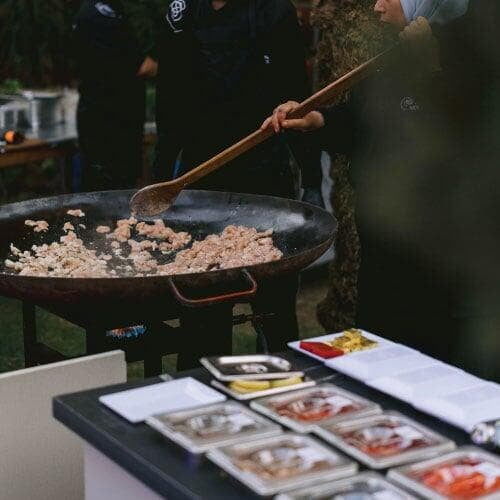
39 current live station concepts
Grazing · Social · Showcase · Sweet
Standalone · Add-on · Integrated
Live cooking, carving, finishing & interaction
Four Station Families
The four families describe the role a station plays in the guest experience. They are not four separate Catering Services. Live Culinary Stations is the Catering Service.
Grazing
Ingredient-led stations designed for browsing, sharing and continuous access.
Some are primarily about premium ingredients and presentation. Others include slicing, torching, assembly or guest choice. Current Grazing stations:
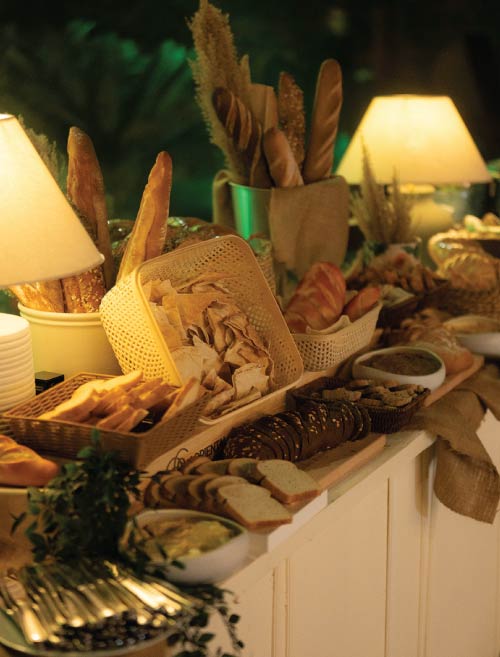
- Artisanal Bread
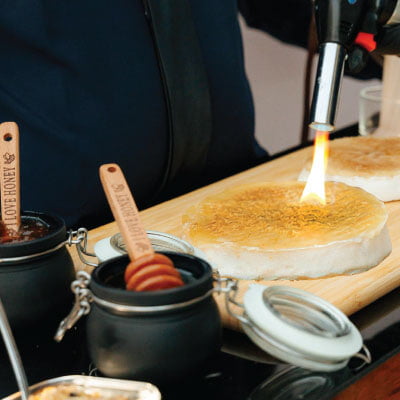
- Brie Brûlée
- Caviar Station with Butter Tower
- Charcuterie
- Mediterranean Mezze
- Salmon Gravlax
- Sushi & Sashimi
- Shrimp Cocktail
- Vine Leaf Sushi
Social
Interactive stations built around familiar food, customization, final cooking or assembly and a more casual guest rhythm.
They can support a buffet, become one part of a standing event, or carry a meaningful portion of the meal when several are combined. Current Social stations:
- Loaded Fries Station
- Nacho Island
- Asian Wok Experience
- Bao Bun Live Experience
- Build Your Own Taco
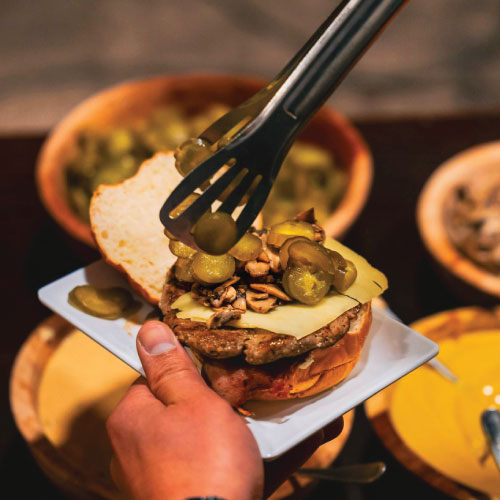
- Immersive Burger Bar
- Live Paella Station
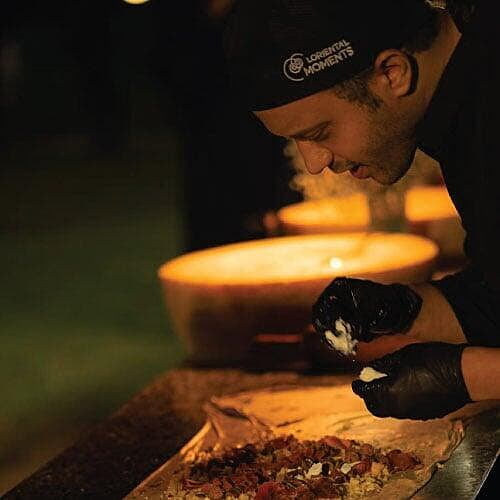
- Oriental Fiteer
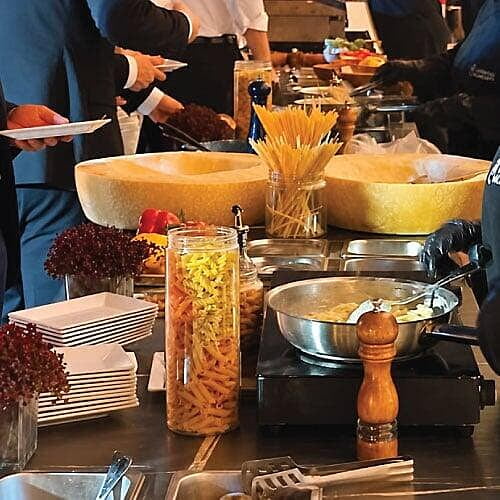
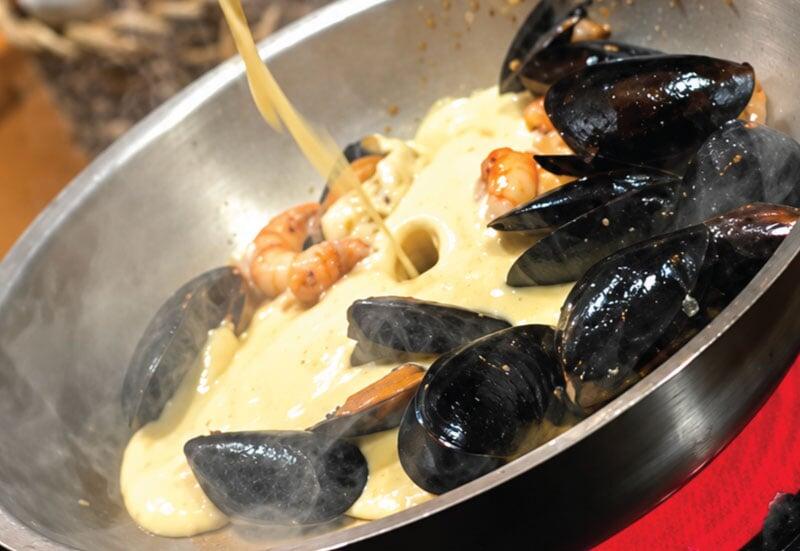
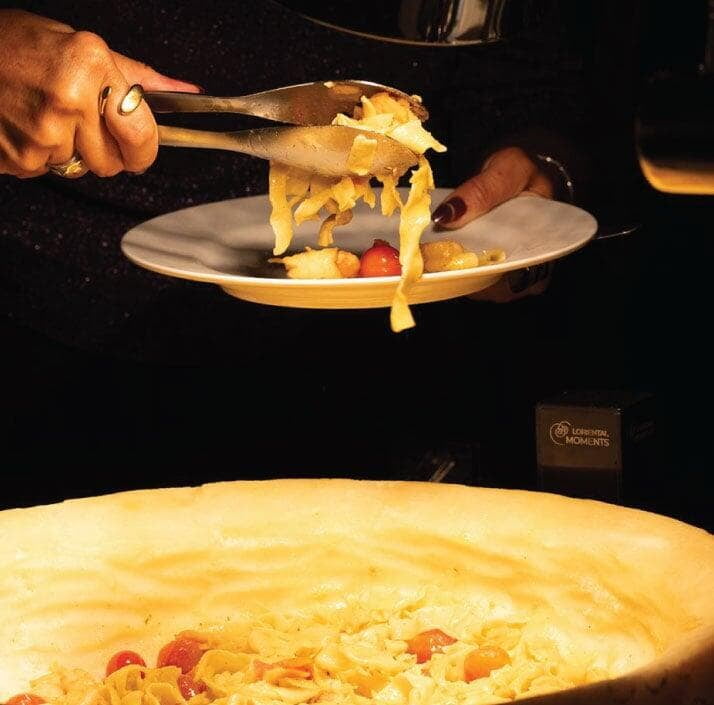
- Pasta Viva
- Pizza Fiest
- Risotto Rêverie
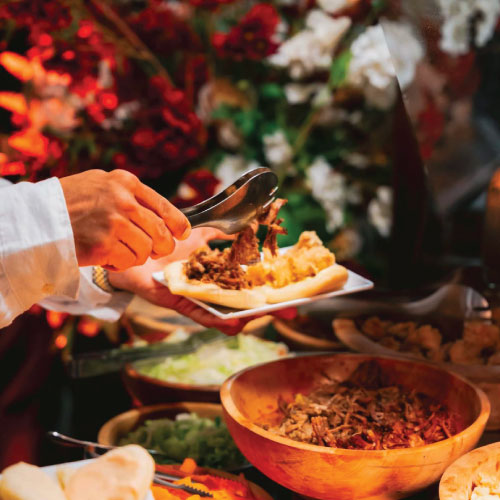
- Shawarma Station — Lebanese Chicken or Egyptian Beef
- Egyptian Street Food
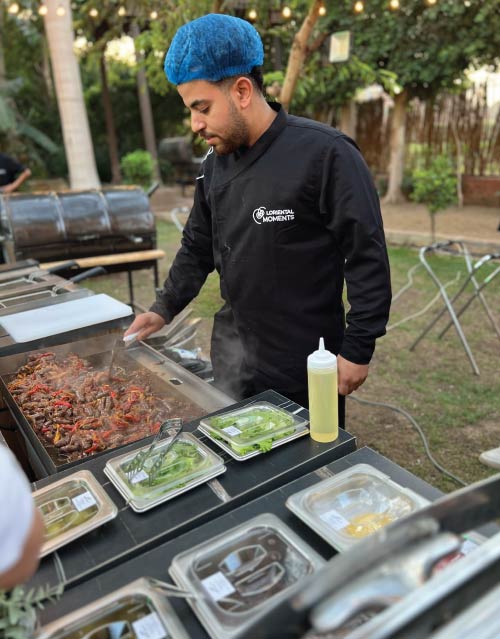
- Mexican Fajita Fiesta
- Nashville Chicken Fryhouse
Showcase
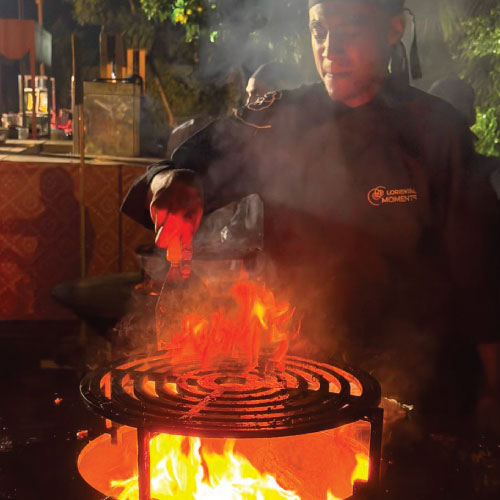
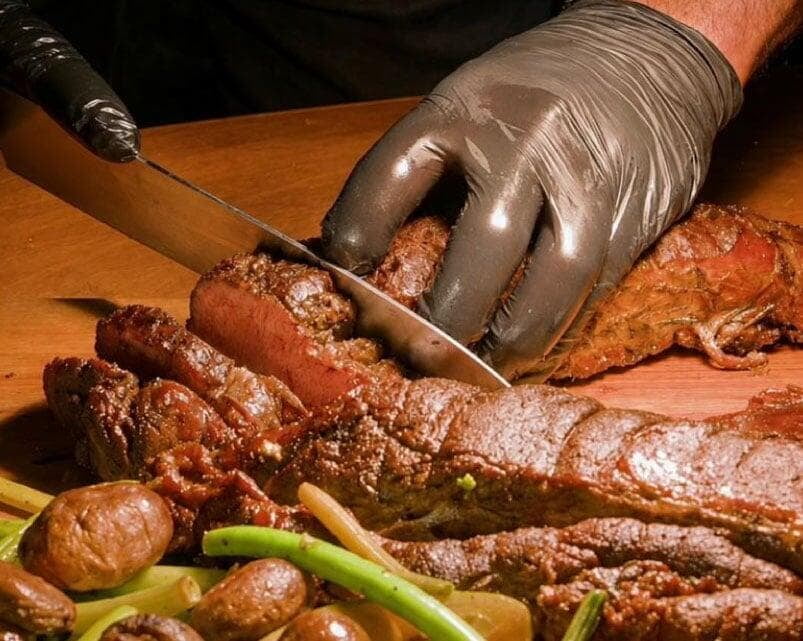
Centre-piece stations built around a more visible culinary action such as fire, large-format cooking, premium carving or high-impact protein service. Current Showcase stations:
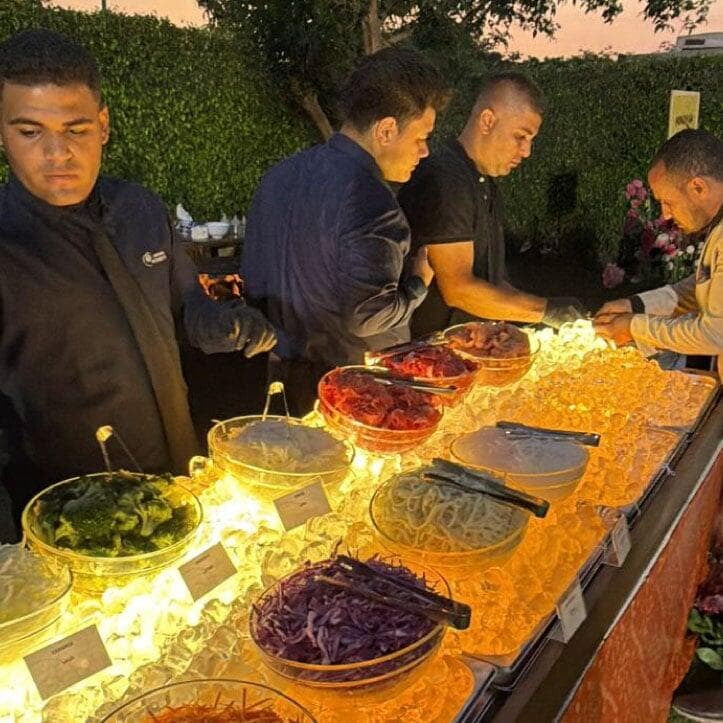
- Mongolian Fire Grill
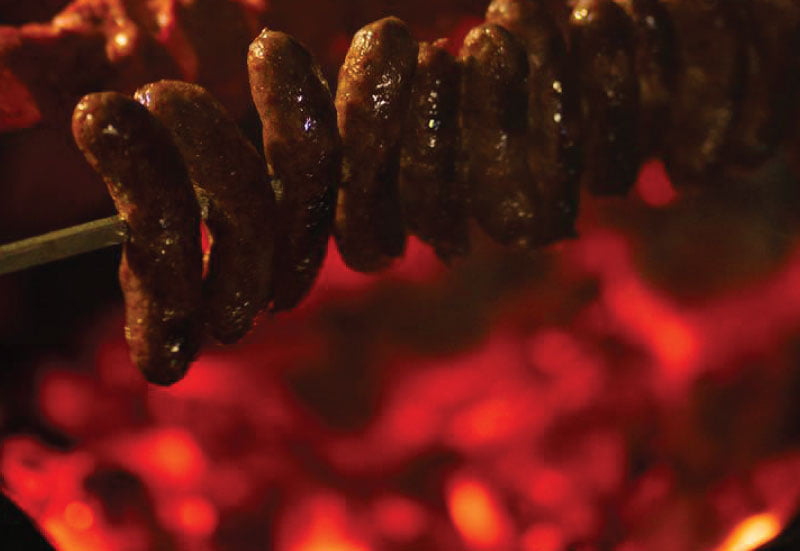
- Brazilian Churrascaria, Rodizio Style
- Tandoori Sheesh Tawook
- Tenderloin Full Roast
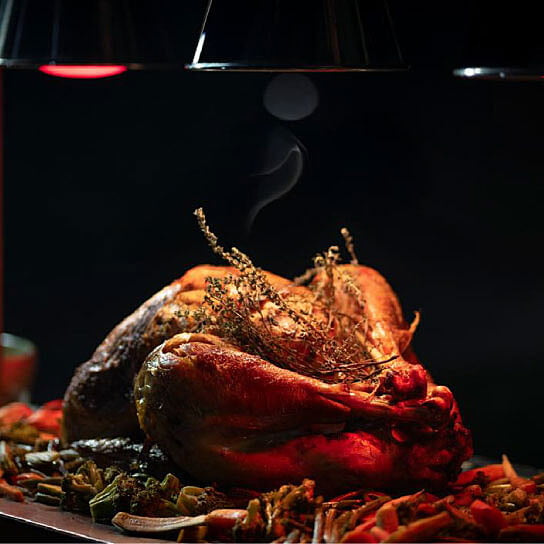
- Turkey Carving Station
- Texas Smokehouse BBQ
- Lobster and Shrimp Live Grill
Sweet
Dessert stations where cooking, filling, torching, assembly or finishing remains part of the guest-facing service. Current Sweet stations:
- Cannoli Station
- Churros Live Station
- Crèpe and Waffle Station
- Fiteer Meshaltet
- Mille-Feuille Royale Station
- Om Ali Oasis
- Tiramisu Experience
- Zalabia and Balah El Sham
Four Ways to Use Live Culinary Stations
Book a Station on Its Own
Choose one station when the event needs a single live food moment.
That might be a carving station at a dinner, a grazing station during arrivals, a paella station at a social event, or a Sweet station at the end of the evening.
Combine Several Stations
Build a larger live-food programme by combining stations from one or more families.
A social event may combine several Social stations. A premium event may mix Grazing with a Showcase centrepiece. A dessert programme may add a Sweet station after the main service.
The combination follows the event rather than a fixed public package.
Add Stations to Another Catering Service
Live Culinary Stations can support Finger Food & Canapés, Open Buffet or Seated Dining.
A buffet can include selected live stations and remain Open Buffet when buffet-led dining is still the dominant format.
A seated event can use a carving, finishing or dessert station while Seated Dining remains the main service structure.
Include Stations in a Complete Hospitality Experience
Dînatoire, Signature, Grand and Privé can include selected Live Culinary Stations as part of a wider hospitality composition.
The exact number, station mix, premium-item rules and commercial mechanics are confirmed in the proposal and commercial menu rather than published on the website.

Fixed Stations or Mobile Live Service
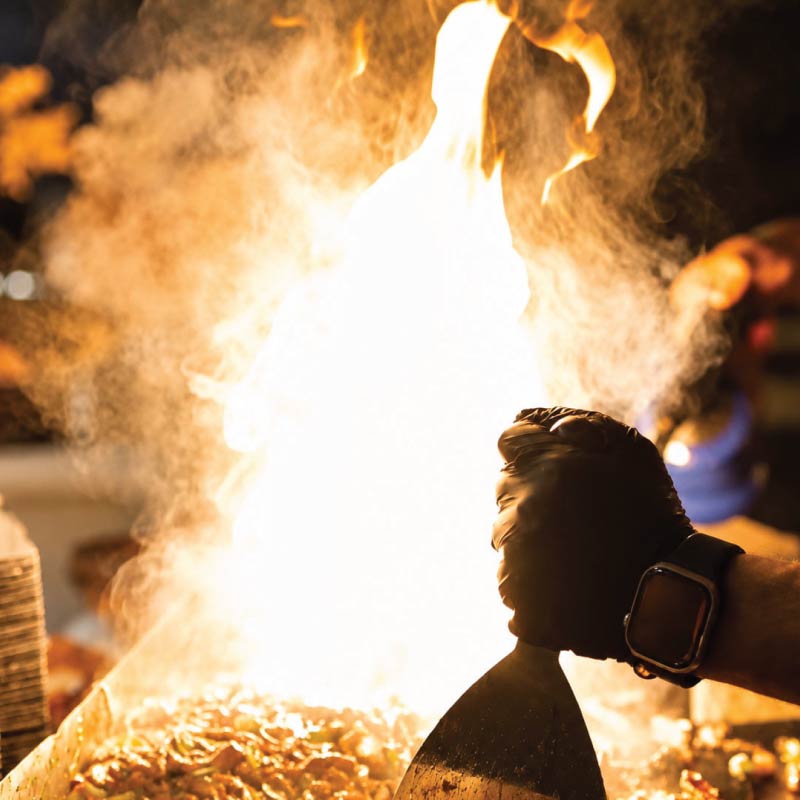
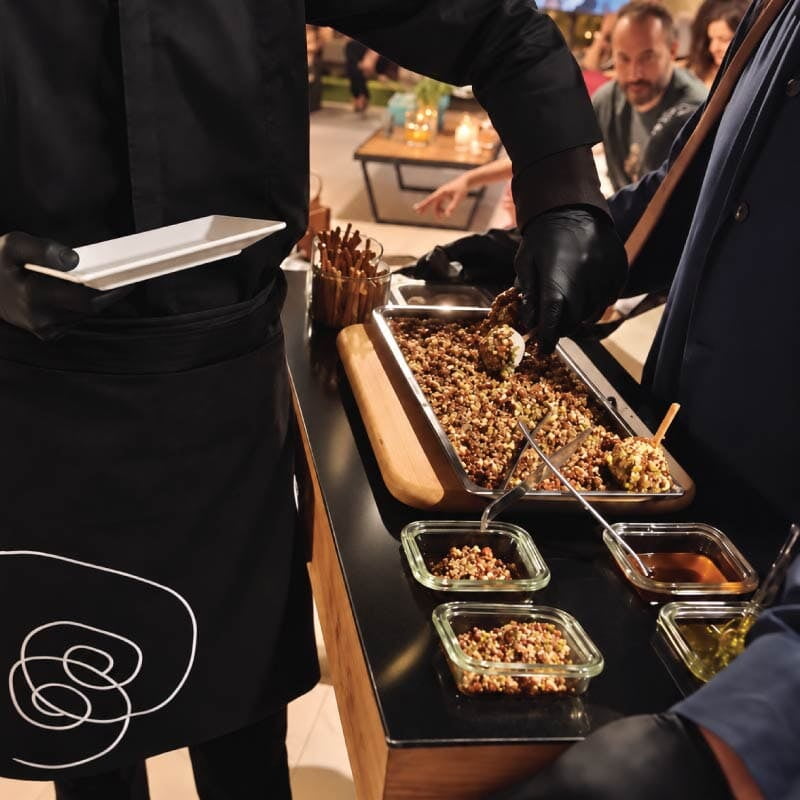
Not every live station has to stay in one place. Some concepts work best as fixed physical stations, with guests approaching the counter while chefs cook, finish or assemble the food in front of them.
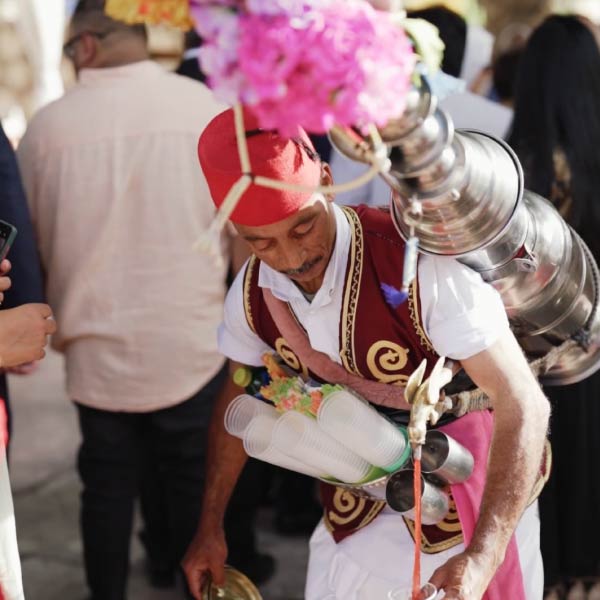
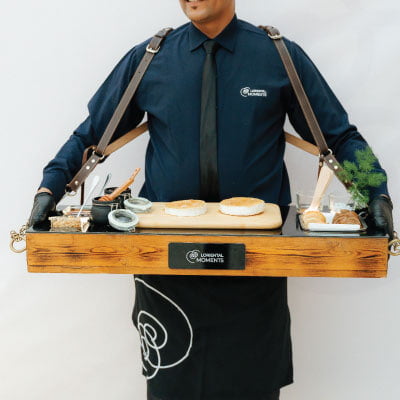
Others can move through the event. Depending on the concept, the live action can be carried by the service team using purpose-built wearable or body-mounted presentation equipment, or delivered from mobile carts that move between guests while food is finished, assembled, carved, torched or served live.
This allows us to choose the format around the event itself: guest flow, space, service rhythm and the kind of interaction we want to create.
A station can therefore be a destination guests walk toward, or an experience that comes to them.

Live Does Not Automatically Mean Theatrical
A Live Culinary Station can be interactive or visibly cooked without automatically becoming Theatrical Hospitality. Theatrical Hospitality applies only when the execution crosses into a stronger guest-facing theatrical layer.
That can happen through kinetic theatricality such as choreographed movement, custom service hardware, live fire or active transformation, or tableside/mobile interaction.
It can also happen through scenic theatricality when intentionally oversized, maximalist or sculptural presentation is integrated with the food or beverage service and materially transforms it into a deliberate visual scene.
A conventional live pasta station, neatly presented grazing table or ordinary chef counter does not become Theatrical Hospitality simply because guests can see it.
The Station Has to Fit the Event
A live station is not only a menu item, it is a small operating system. Guest count, venue space, power, fire restrictions, ventilation, back-of-house access, service distance, equipment, queue design and expected throughput all affect how the station should be built.
The same concept can require a different operating plan at 60 guests and 500 guests, so LOriental evaluates:
- where preparation happens
- what can be prepared in advance
- what must happen live
- how many portions the station needs to produce
- equipment and power requirements
- fire and safety constraints
- cold and hot holding
- guest approach and queue flow
- replenishment routes
- service staff and chef positioning
The goal is to keep the guest-facing experience simple even when the operating plan behind it is not.
Live Culinary Stations in Practice
Real events show how different station formats behave in different conditions.
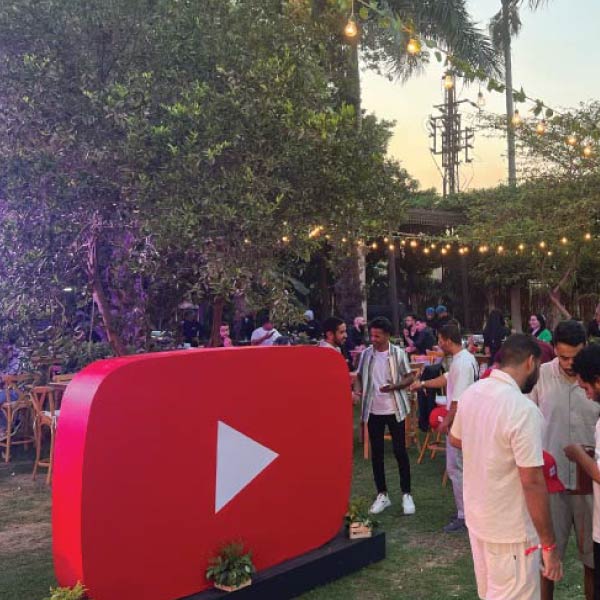
YouTube Shorts Egypt: Dahab Island
For an approximately 200-guest creator event at Prince Naguib Palace on Dahab Island, LOriental distributed the food across several live stations, including paella, shawarma, burger, pasta, crêpe and waffle service, alongside pass-around food and a large non-alcoholic bar.
The visible live-food programme depended on an unusually controlled island load-in because service vehicles had to use the narrow access route one at a time.
Indian Destination Wedding: Three Events Across Two Days
An approximately 150-guest destination wedding used three different event formats across two days. The second-day Egyptian celebration brought local food into the guest experience through live falafel, feteer and other interactive street-food elements. The stations were not added as decoration. They helped make Cairo and Egyptian food culture part of the hospitality itself.
Australia National Day: Australian Embassy Cairo
At the Australian Ambassador’s Residence, an approximately 300-guest stand-up lunch used an Open Buffet supported by a live grill and pasta station. Australian lamb became the culinary anchor of the grill, while a temporary mobile kitchen built in the driveway supplied the production capacity needed for the live operation.
Canada Day: Canadian Embassy Cairo
Across two consecutive Canada Day receptions for approximately 500 guests each year, LOriental used a live poutine and loaded-fries element as part of a wider Canadian-inspired food-and-beverage programme. The Embassy specifically requested the return of the poutine station for the second year. That repeat request is useful evidence of what a live station can do when the concept is culturally relevant rather than added as spectacle alone.

Live Stations for Different Events
Live Culinary Stations can work across many event types when the format suits the guest journey. Common contexts include:
- Weddings and Mini Weddings
- Cocktail and standing receptions
- Corporate events and employee celebrations
- Product launches and brand events
- Embassy and diplomatic events
- Private and social events
- Cultural and entertainment events
- Multi-zone events
- Open Buffet events that need one or more live elements
- Complete Hospitality Experiences
The Venue Changes the Station Plan
A live station at a garden, palace, diplomatic residence, museum, yacht or island venue cannot be installed the same way. Venue conditions can determine whether a station can use open fire, where extraction or power comes from, whether heavy equipment can reach the service point, where raw and cooked food can be held, how waste is removed and whether the guest queue interferes with the wider event.
Where suitable venue kitchen infrastructure is unavailable, temporary back-of-house solutions can be planned when the site and event allow them.
How We Develop Live Stations
The station collection is broad, but the equipment and presentation are there to serve the food.
LOriental’s Culinary R&D work looks at whether the dish genuinely benefits from visible cooking or finishing, then adapts prep, cuts, batching, equipment and service rhythm around the live format.
Examples include testing protein thickness and vegetable cuts for Mongolian Fire Grill, commissioning an event-scale paellera for Live Paella, and changing the operating rule for mobile Parmesan-wheel risotto after live-event testing showed that the original synchronized trolley format compromised texture.
For that development story, explore our Culinary Hub.
How We Build Your Live Station Proposal
Live stations are quoted around the actual event rather than from a fixed website price.
The final scope depends on the station or combination you choose, guest count, venue, service duration and the operating requirements behind it. Power, equipment, open-fire restrictions, staffing, throughput and temporary back-of-house can all affect how the station needs to be delivered.
The proposal also changes when stations are being added to another Catering Service or developed with a stronger Theatrical Hospitality or presentation layer.
Start by sharing your event date, venue or area, guest count and any station ideas you already have. If you are not sure what would work best, we can recommend the right combination from the brief.
Live Culinary Station Questions
Build Your Live Food Programme
Tell us the date, venue or area, guest count and the type of event. Choose one station, combine several, add them to another Catering Service, or ask us to recommend the right live-food structure from the brief.
Live stations we absolutely love
Brazilian churrascaria, Rodizio style
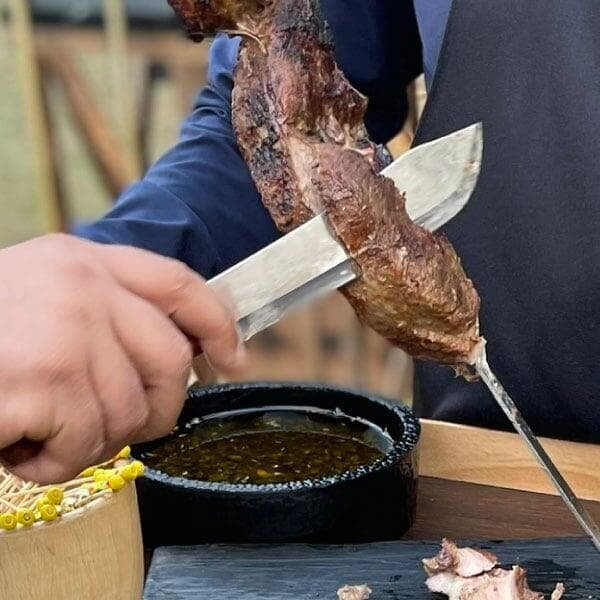
A culinary journey that celebrates the rich tradition of Brazilian barbecue and the art of communal feasting. Treat guests to the tantalizing aroma of sizzling meats and the lively atmosphere of celebration. The rodizio-style service features a parade of expertly prepared meats carved to your guests by skilled "espeto corrido" passadores (meat servers).
Our Rodizio experience is an all-time favorite and recommended for all event types. The menu typically features:
- Sirloin (Picanha)
- Ribeye
- Filet Mignon
- Oriental Sausage
- Sheesh Tawook
Our prime meat selection is perfectly paired with four mouth-watering dipping sauce: tomato bernaise, peanut tamarind, Chimichurri, and mint mojo
Book today
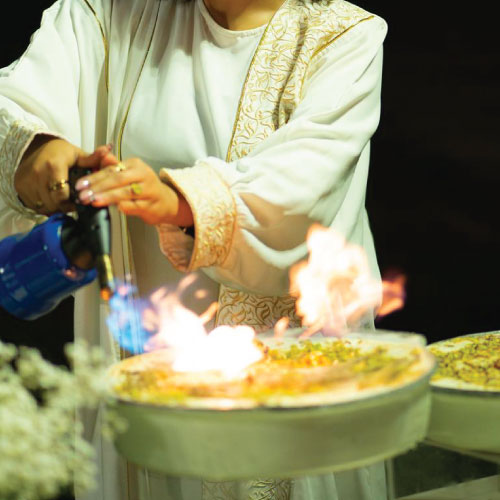
Brie brûlée
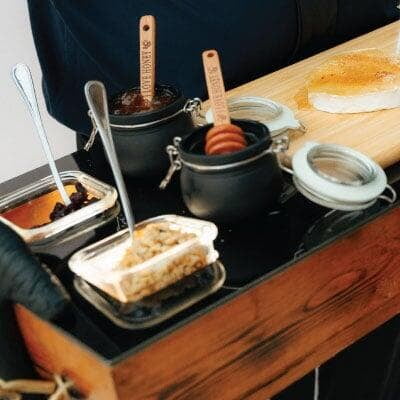
Indulge your guests with a unique and interactive culinary delight: the Brie Brûlée Live Pass Around Experience is an exquisite offering that combines the rich, creamy flavors of brie cheese with the theatrical flair of a live cooking demonstration.
Traditional but Unique
Get vine leaf sushi for your event
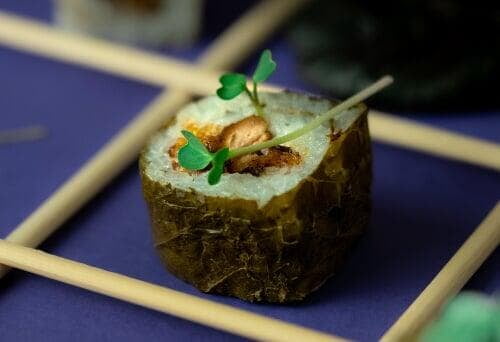
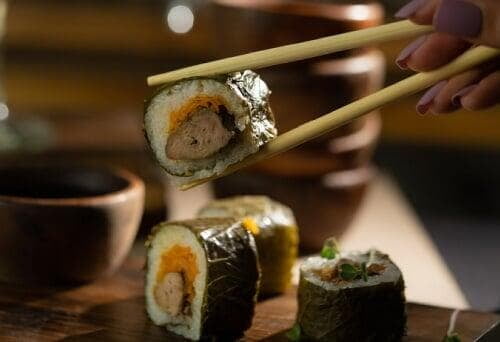
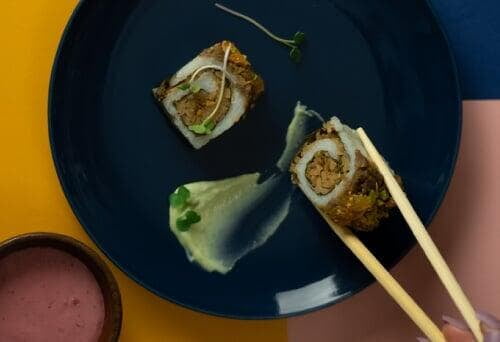
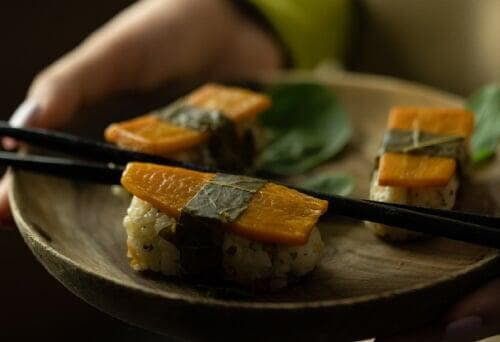
In this creative twist, vine leaves are carefully selected and prepared to provide a tender and slightly tangy wrapping for the sushi rolls. Inside each vine leaf sushi roll, you'll find a delightful combination of ingredients inspired by both Japanese and Mediterranean cuisines. In this vibrant and innovative live experience we treat your guests with a variety of creative vine leaf creations including caramelized beef, oriental rice, mazalika and shrimp to name a few.
Vine leaf sushi is served with a variety of accompanying sauces and dips. From mint yogurt tzatziki to pomegranate caviar and carrot gari, these condiments enhance the flavors and provide a delightful contrast to the vine leaf-wrapped rolls.
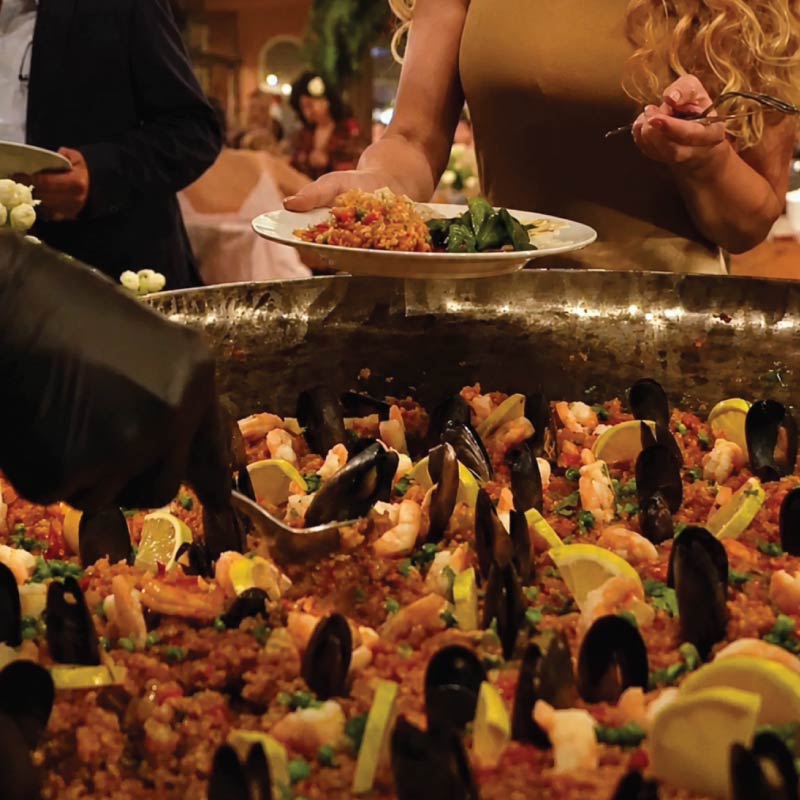
Live Paella station
Immerse yourself in the culinary spectacle as skilled chefs prepare authentic paella right before your eyes. Prepare to be captivated by the sights, sounds, and flavors of this beloved Spanish rice dish as it comes to live right in front of your eyes. At the heart of the station is a large, shallow pan called a "paellera."
The chefs set up a live cooking station with an open flame, creating an enticing visual display ensures the even cooking and caramelization of the ingredients, imparting a distinct flavor to the paella.