
The Culinary R&D Panel
International exposure informs the research
Explore Culinary Research & Recipe Origins →
What the panel evaluates
- Ingredients, ratios and appropriate substitutions.
- Cooking method and critical technique steps.
- Flavor balance, texture and temperature.
- Yield, portioning and service format.
- Presentation and final guest-facing finish.
- Whether the dish can be reproduced consistently at event scale.
- Whether live finishing, parallel small batches or tableside service are required to protect the result.
From idea to the Master Recipe Database
- Research a culinary reference, trend, ingredient, service problem or opportunity.
- Adapt where needed for Egyptian culture and palate, ingredient availability, dietary constraints or the event environment; or deliberately pursue fusion, Egyptianization or a new invention.
- Prototype, taste, compare and revise through intensive internal testing.
- Run a focus-group tasting and collect feedback.
- Approve the dish through panel review.
- Document ingredients, quantities, critical method steps, yield, portioning, presentation, service requirements and acceptable substitutions.
- Enter the approved recipe into the LOriental Master Recipe Database.
R&D Sets the Standard; Production Runs the Event
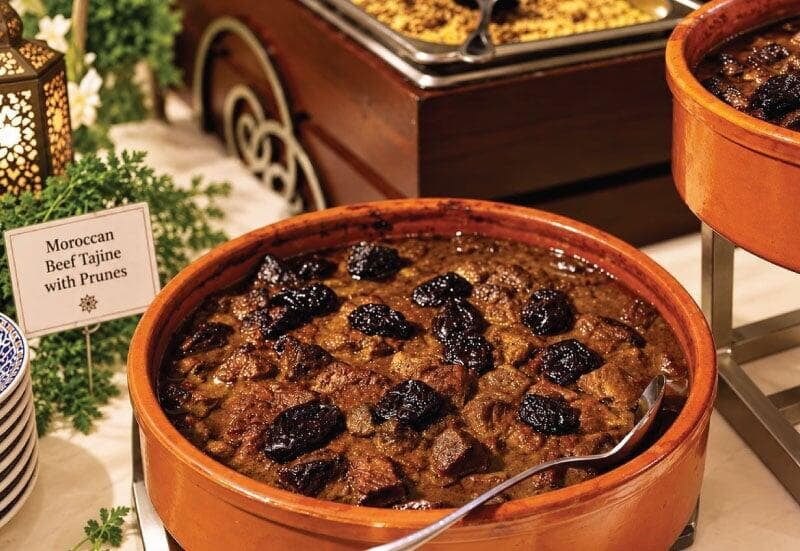
The LOriental Culinary Standard
A dish name alone is not enough to run a consistent kitchen. Before a recipe enters LOriental's commercial collection, the approved version is codified in the Master Recipe Database so the decisions made during development can be reproduced across teams and events.
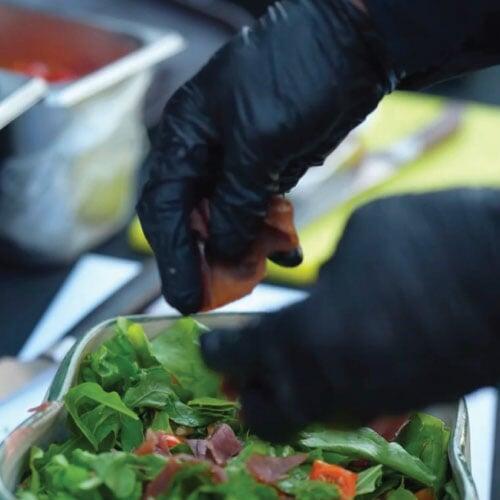
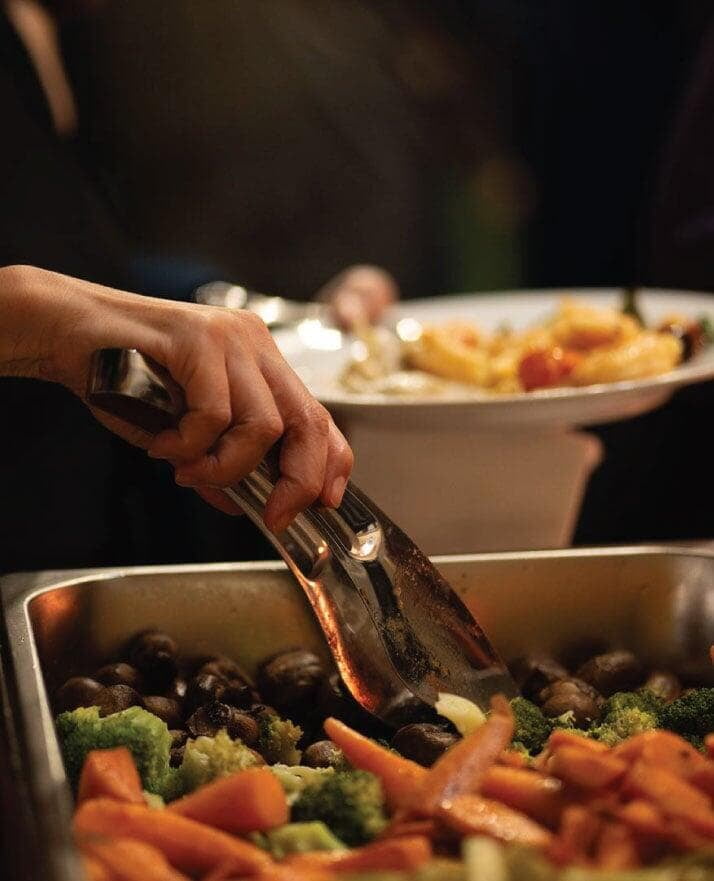
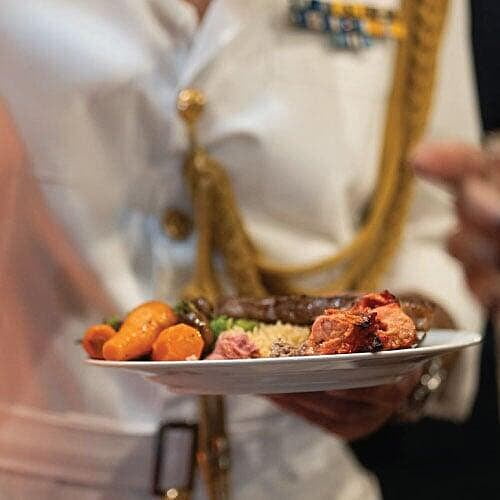
Ingredients and yield
Each specification records ingredients, quantities, ratios, expected yield, portioning and approved substitutions. If an imported ingredient is unavailable, the team already knows which alternatives preserve the intended flavor and texture.
Method
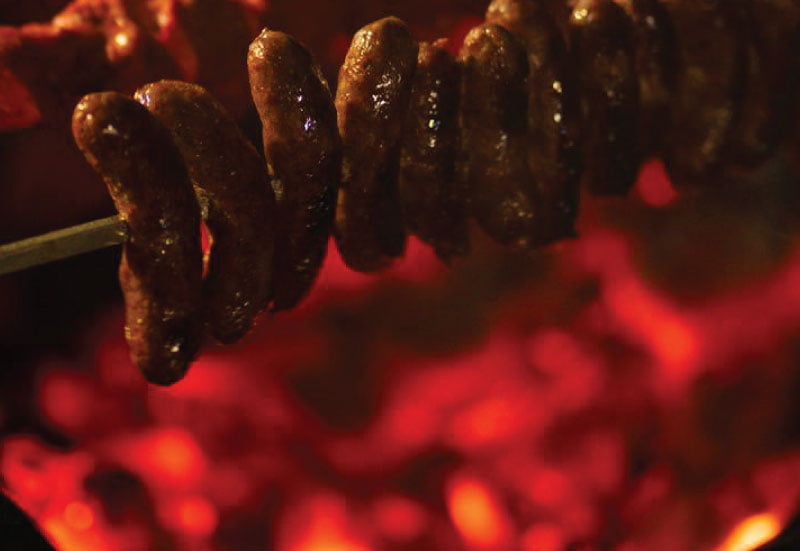
Critical technique steps are written into the method: browning before braising, separate mushroom sautéing, curing time, sauce emulsification, gradual risotto absorption, beurre monté poaching, open-flame grilling, low-and-slow smoking, pastry lamination, or the order in which a filled pastry parcel is wrapped and chilled.
Presentation and service requirements
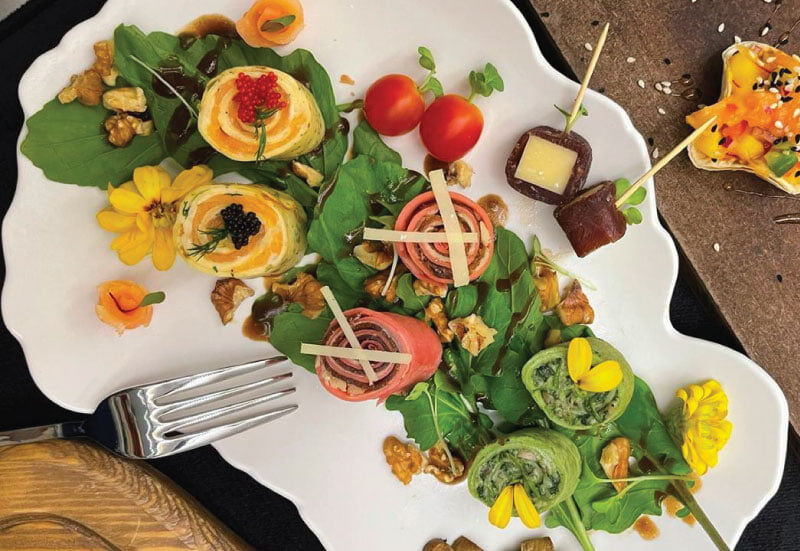
The specification also describes the final form of the dish: portion size, garnish, sauce placement, vessel, station finish, tableside action and any service detail that affects quality. Presentation can influence temperature, texture and how the guest experiences the food, so it belongs inside the standard.
Product Management turns recipes into products
Product Management takes recipes from the Master Recipe Database and turns them into things a client can actually buy: individual dishes, curated menus, collections, stations and complete catering offers. It also defines the combinations and service formats that make sense together.
Production executes the standard
The Production Department, led by the Head of Production & Culinary Director, executes the confirmed menu against those standards, with the Senior Production Chef leading hands-on kitchen execution. Major deviations are unusual. When an ingredient is unavailable or a small operational adjustment is unavoidable, the team can make a reasonable substitution as long as the intended dish is protected.
The standard can evolve
The Master Recipe Database gives Production a stable standard while leaving room for recipes to improve over time. Reviews, Customer Experience feedback and observations from live events are monitored. A better batch size, finishing step, substitution or service rule goes back to R&D for testing and approval before the master recipe changes.
Explore Food Designed for Events →
From Master Recipe to Your Event Menu
At LOriental, a menu moves through four distinct disciplines before it reaches the guest: culinary R&D, product development, client consultation and event production. Each team owns a different part of the journey.

1. R&D creates the recipe and standards
The Culinary R&D Panel researches, adapts, tests and approves each dish, then documents the final version in the LOriental Master Recipe Database.

2. Product Management builds the commercial offer
Product Management groups approved recipes into combinations that work in real catering situations. It builds curated menus, collections, station line-ups and commercial offers around flavor, service format and event use.

3. Customer Experience becomes catering consultant
Customer Experience learns the food in detail: the dishes, techniques, service formats, pairings and practical limits. The team then works with clients as catering consultants, shaping a menu around the guest profile, event style, venue, timing and budget.

4. Production executes daily event operations
Once the event menu is confirmed, Production takes over execution under the Head of Production & Culinary Director. The Senior Production Chef leads the hands-on kitchen operation, while the wider Production Department works from the approved recipe and product standards for that event.

5. Feedback returns to the system
Reviews and event feedback are tracked after service. When a recurring comment or operating lesson points to a genuine improvement, the issue goes back to the R&D panel. If the change survives testing, it becomes part of the next version in the Master Recipe Database.
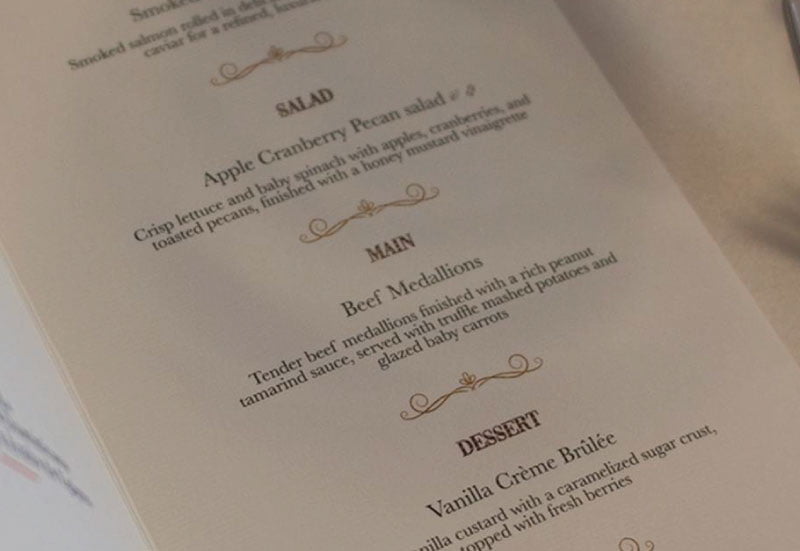
How We Build Menus for Events
The R&D panel develops the recipes. Product Management turns those recipes into usable catering products. Building the actual event menu happens with the Customer Experience team, which works with the client as a catering consultant.